

A rock chip on a six-month-old car is the fastest way to turn an excited new owner into a frustrated one. By the time it comes up in conversation, the chip's already there, and film can only stop the next one, not undo the one that already happened. After installing PPF on everything from brand-new deliveries to daily drivers already showing wear across New Jersey, here's what it actually protects against and what it costs you to wait.
What Exactly is Paint Protection Film?
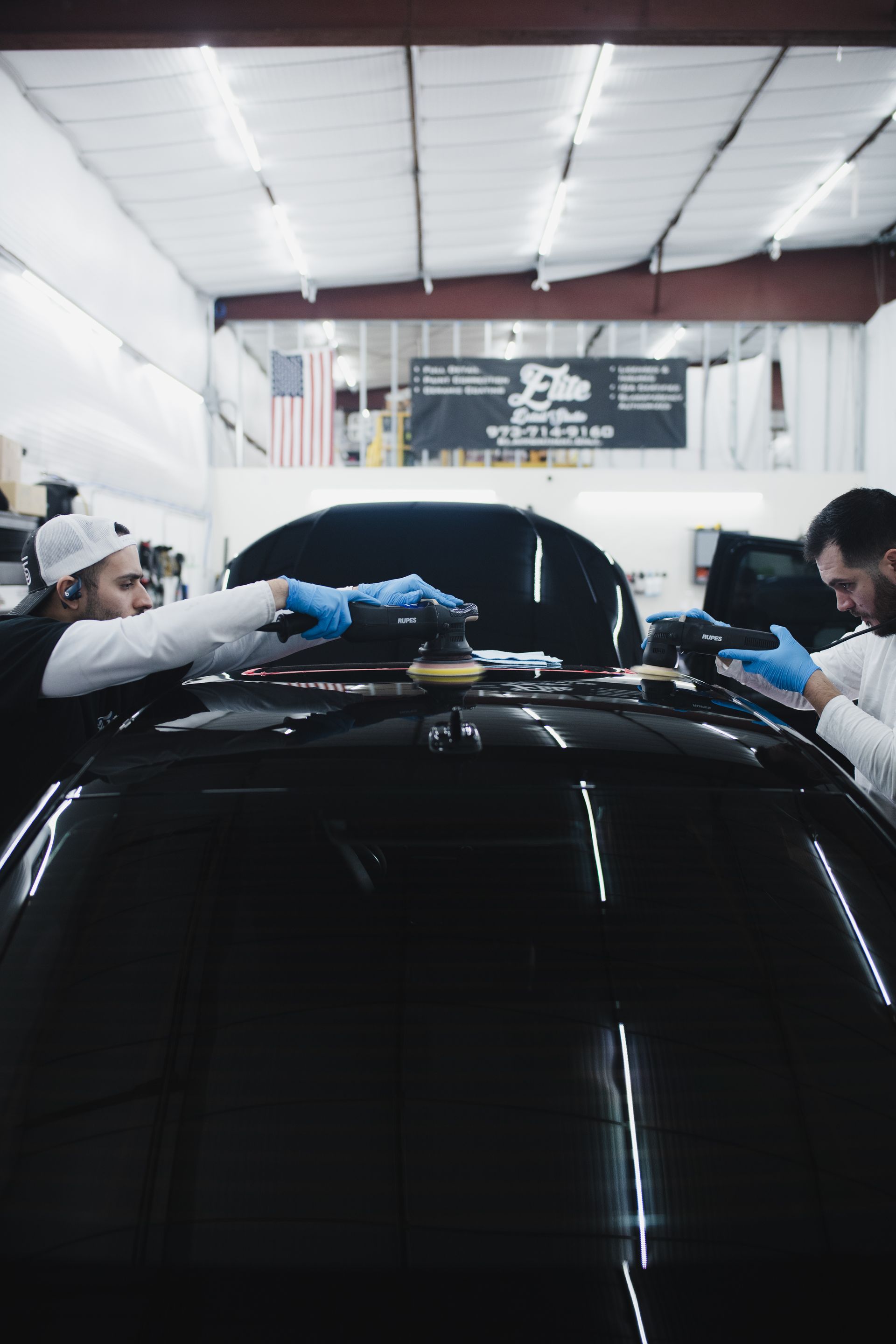
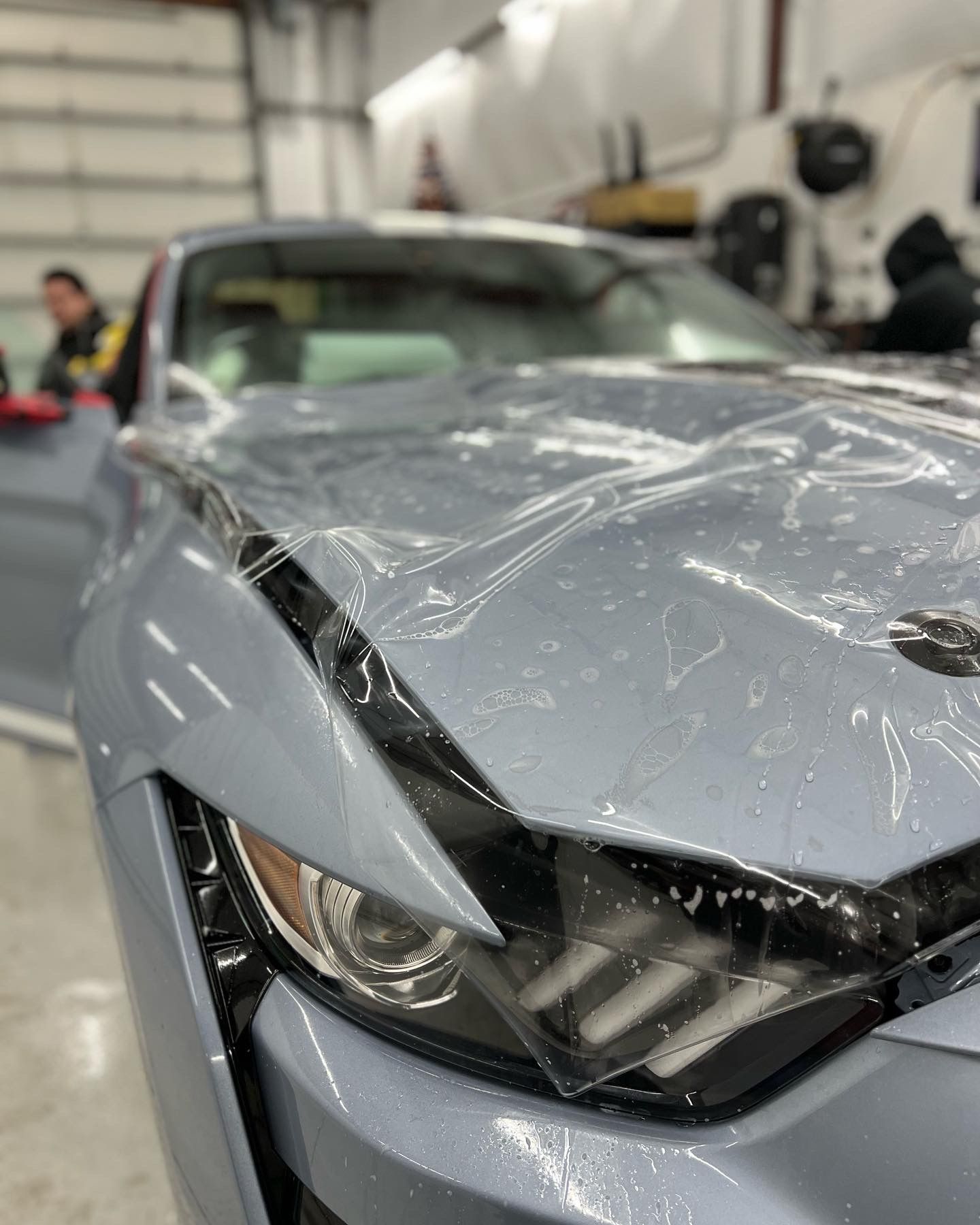
Paint protection film is a clear, urethane-based layer installed over the panels that take the most abuse: front bumper, hood, mirrors, and fenders on most vehicles. Think of it as a sacrificial layer. Rock chips, gravel, and road debris hit the film first, and the factory clear coat underneath never feels it. Every install begins with a full exterior detail and
paint correction where the paint needs it, since film applied over swirls or contamination won't sit flat the way it should.
Reasons to Invest in Paint Protection Film
Beyond stopping that one rock chip, here's the argument for investing in PPF:
Coverage Where the Damage Actually Starts
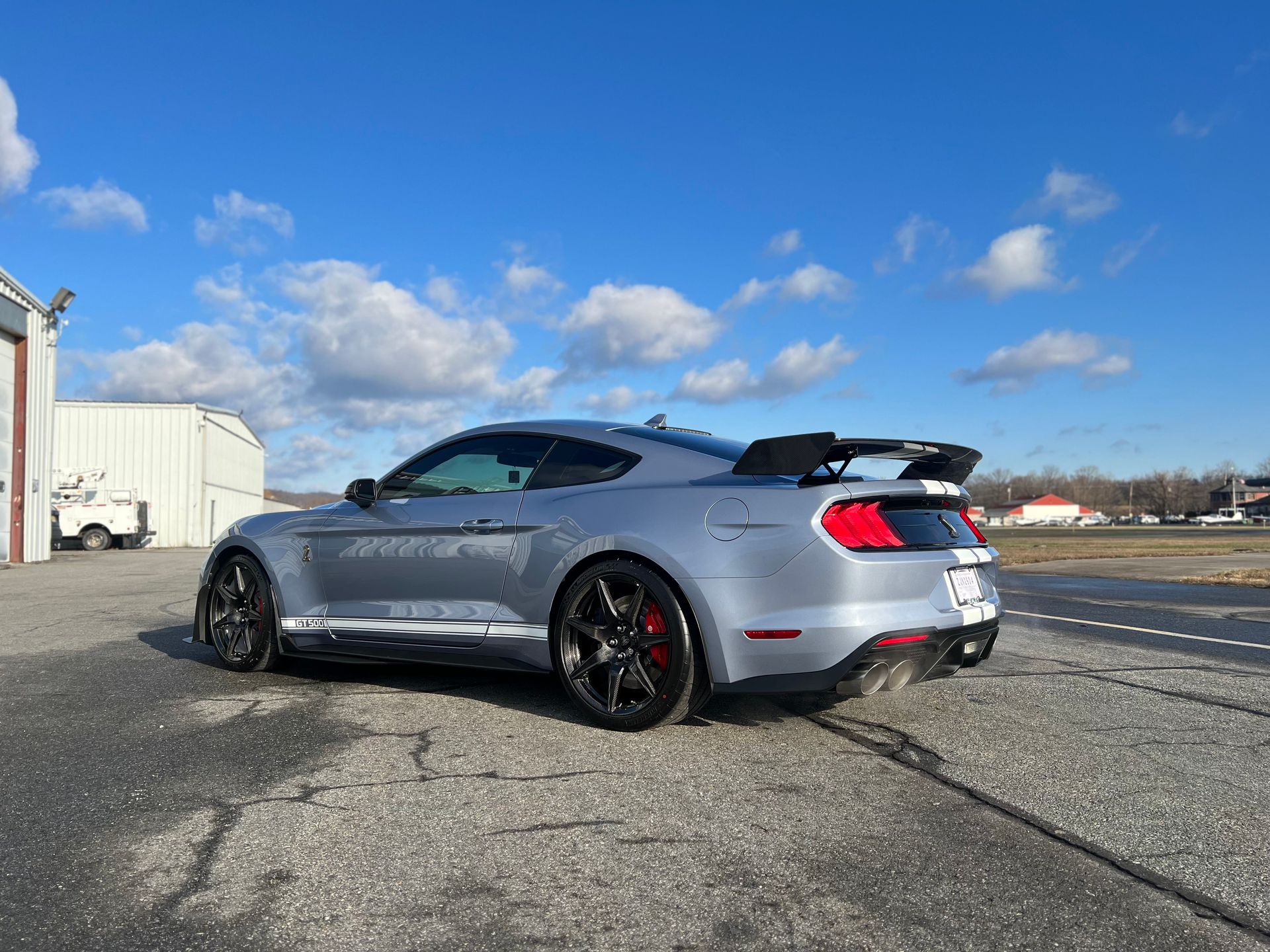
Front-end damage rarely comes from a single event. It's an accumulation of small hits: a pebble kicked up on the highway, a stretch of gravel at a construction site, month after month of daily driving. Full-front coverage puts film exactly where that wear lands first, so the paint underneath never takes the hit.
Self-Healing Film Skips the Constant Touch-Ups
Every film we install is self-healing, which means the fine swirls and micro-marks that build up on a film's surface over time aren't permanent. Leave the vehicle in the sun for an afternoon, or run it through a warm-water wash, and those marks smooth themselves out. Older film technology couldn't do that. Once it scratched, it stayed scratched until it was replaced.
Protecting the Number on a Trade-In Appraisal
An appraiser doesn't need a magnifying glass to spot chipped paint on a front bumper. It's one of the first things they check, and one of the fastest ways a vehicle loses value at trade-in. A layer of film between the road and your factory finish keeps that number closer to what you were hoping for.
A Clean Install Disappears Into the Paint
The clear bras from a decade ago had visible edges and a slight haze that gave them away. Current-generation film is engineered to sit flush and stay optically clear, so from a few feet back, nobody can tell it's there. What they notice instead is a front end that still looks new.


So, is PPF Worth The Investment?
Here's the honest answer: it depends on how the vehicle gets driven. A daily commuter racking up highway miles will see the film earn its cost within the first year, the first time it stops a chip that would've otherwise meant a body shop visit. A weekend car that spends most of its time in a garage still benefits, just on a longer timeline. What doesn't work is treating PPF like insurance you add after the fact. Once the paint is chipped, film can only prevent the next one, not undo the one that already happened.
Reach out to our team for a quote before the next road trip does the damage instead.