
Type "how to remove swirl marks" into any search bar and the results are a mess: clay bar kits, drill attachments, three different polishes, and a dozen YouTube videos promising the same fix. That flood of conflicting advice is exactly why so many drivers try everything except the one process actually built to solve it. Paint correction isn't a product you buy at an auto parts store; it's a controlled process, and knowing when your vehicle actually needs it saves you from wasting money on the wrong fix first.
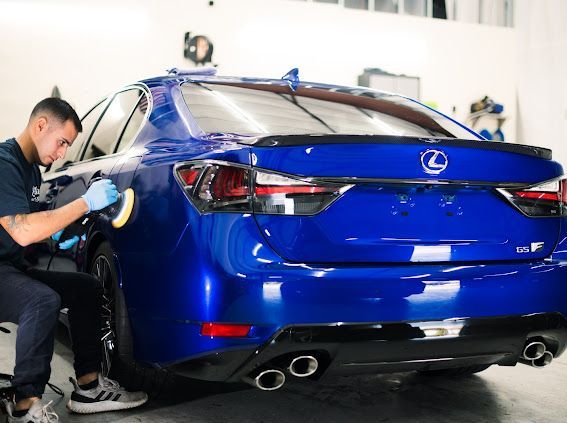
Signs Your Car Needs Paint Correction
Here are some common signs it might be time to invest in paint correction for your ride:
Fine Scratches Only Show Up in Certain Light
Step outside on a sunny afternoon and look at the hood or door panels straight-on. If a web of thin, circular scratches suddenly appears that you never noticed in the garage, that's swirling built up from years of improper washing, drying, or automatic car washes. Correction is the only process that actually levels those scratches out instead of just polishing over them temporarily.
The Paint Never Looks Truly Clean
A fresh wash should leave paint with real depth, almost a wet-look shine. If it still looks flat, cloudy, or one-dimensional the moment it dries, dirt isn't the culprit. What you're seeing is oxidation and fine scratching scattering light across the clear coat instead of reflecting it back in one clean line.
You're Booking Ceramic Coating or Film Soon
Whatever condition the paint is in when a coating or film goes on is the condition it stays in, sometimes for years. Booking correction first isn't an upsell; it's the difference between sealing in a flawless surface and sealing in every scratch that was already there.
A Nearly-New Car Already Has Marks
Odometer numbers don't guarantee flawless paint. Transport wrapping, dealership washes, and pre-delivery inspections all leave their own marks before a car ever reaches its first owner. Finding swirls on a vehicle with a few hundred miles on it isn't a red flag on the paint job; it's just a sign correction hasn't happened yet.
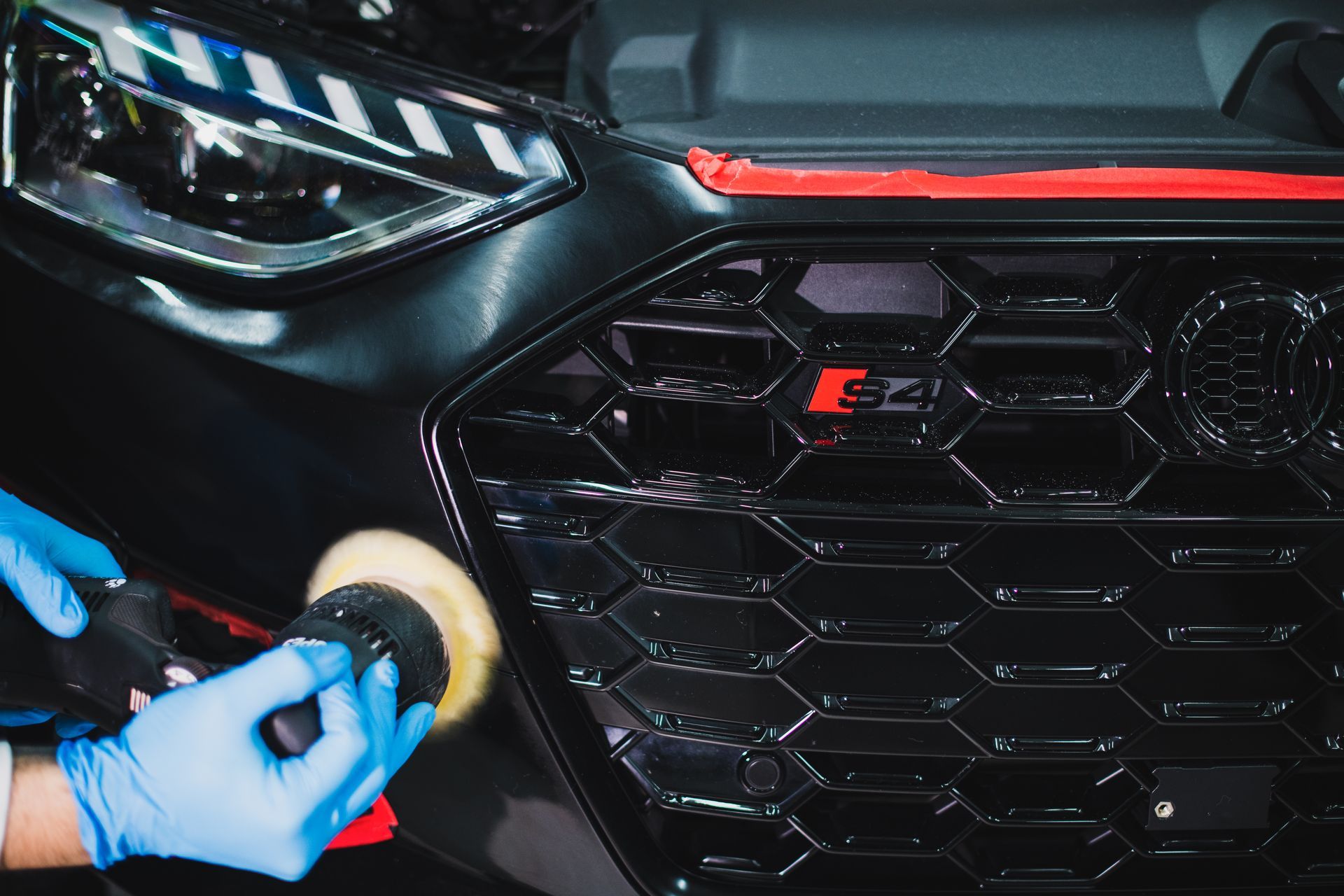
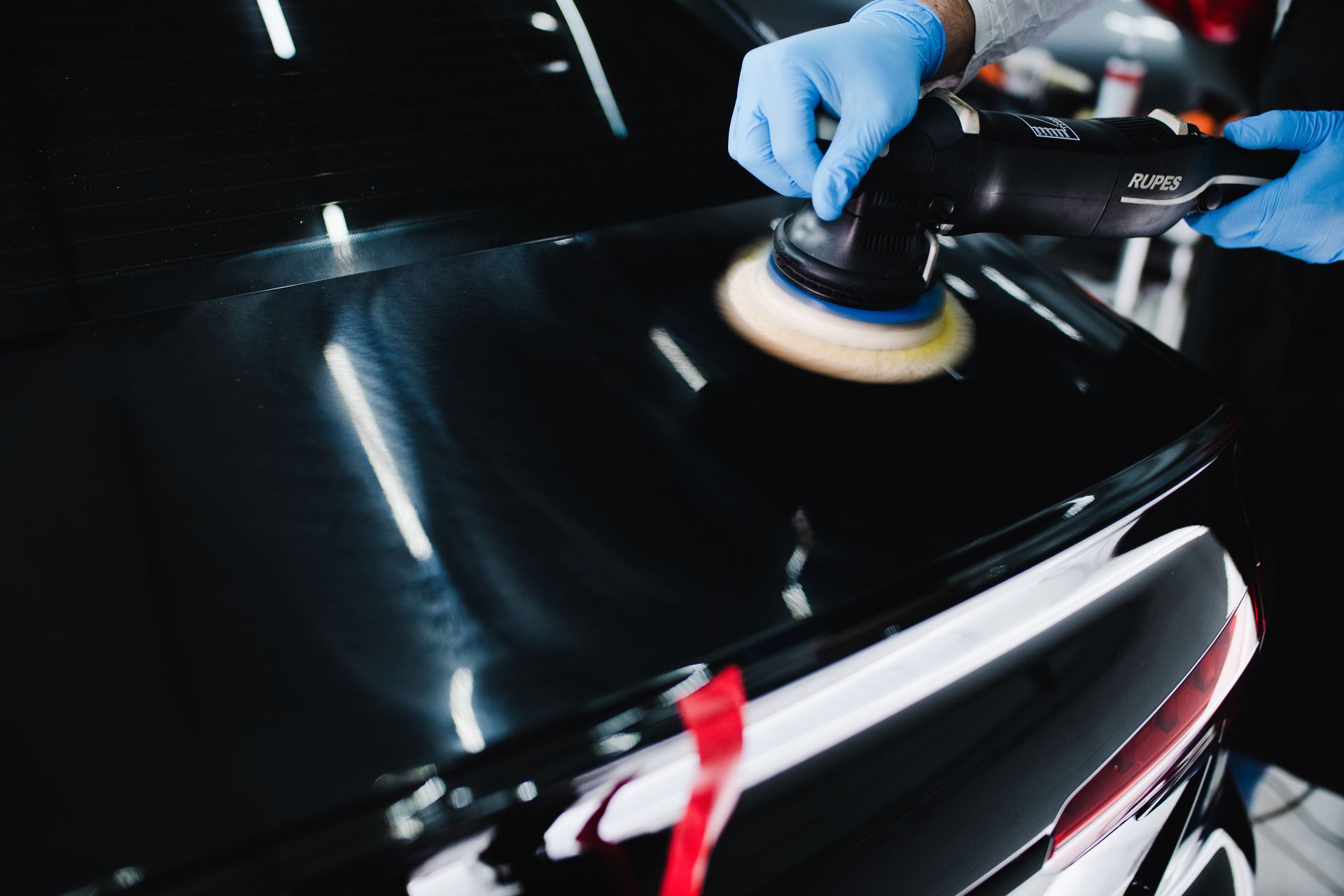
Is Paint Correction Worth the Investment?
It depends on what's actually wrong with the paint. Swirls, haze, and light surface scratching respond well to correction, since that damage sits entirely within the clear coat and can be leveled out with the right process. Deeper scratches that have cut through the clear coat into the color coat are a different story. Polishing can soften how visible they are, but it won't make them disappear completely, and no amount of correction will fully erase damage at that depth.
That distinction is worth understanding before booking anything, since it changes what you should expect from the results. A vehicle with mostly swirl marks and light haze can come back looking dramatically different. A vehicle with deeper scratches will improve, but probably won't come back looking flawless, and it helps to go in knowing that ahead of time.
Conclusion
The only way to know for certain what your paint needs is to have it checked under proper lighting, since defects that jump out under shop lights don't always show up in a driveway. If any of this sounds like your vehicle, get it looked at before booking a coating or film appointment.
Reach out to our team for an honest assessment and a straight answer on what it actually needs.